
Plant a Row, Share a Row: Gardeners Grow Community at Hopelink
Debbie Fellows, Hopelink Development Officer, Community Engagement
There is a wonderfully busy hum of activity in the hours before Hopelink’s no-cost food markets open for the day.
Staff and volunteers arrive early to make sure the market is ready to greet the first clients. There are new team members to welcome, delivery trucks to unload, shelves to stock, and donations to sort.
And now that we are at the peak of harvest season in the Pacific Northwest, we are grateful for the home and community gardeners who brighten our mornings with armloads—sometimes carloads—of fresh produce from their gardens.
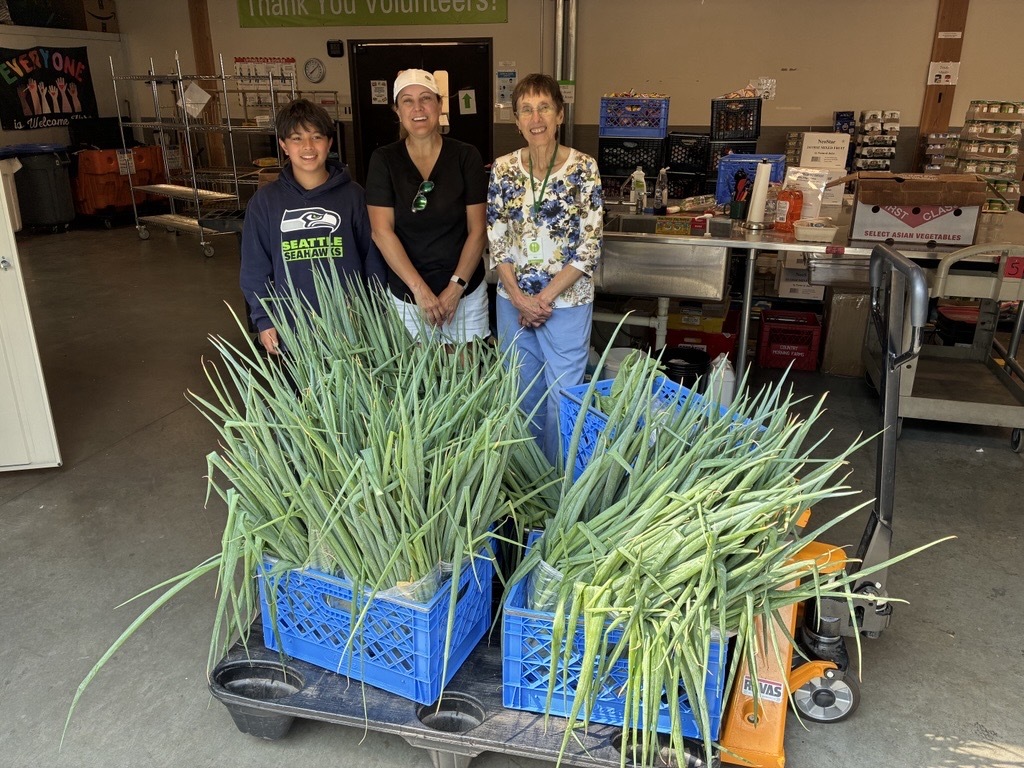
Green beans, peas, tomatoes, peppers, potatoes, and zucchini are dropped off by growers who have nurtured these plants through the season with care. These generous donations provide an opportunity to connect with our local cultivator community, learn about what they’ve planted, and hear why they share their harvest with Hopelink.
Winnie Au, Hopelink’s Kirkland Food Market Supervisor, sees these interactions daily throughout the growing season.
“Many gardeners tell us they feel a real joy and pride knowing their harvest is appreciated and put to good use,” Au says. “Donating is a simple, powerful way to connect with your community: you’ll meet volunteers and neighbors, swap tips and recipes, and see firsthand how something you grow can brighten someone’s day.”
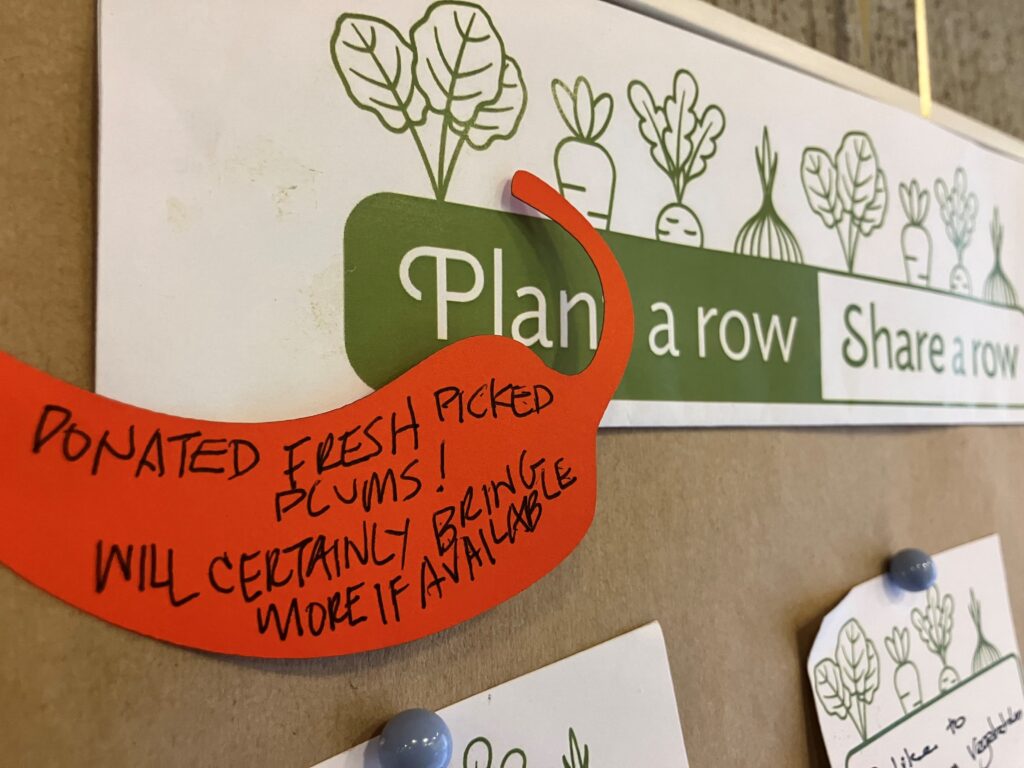
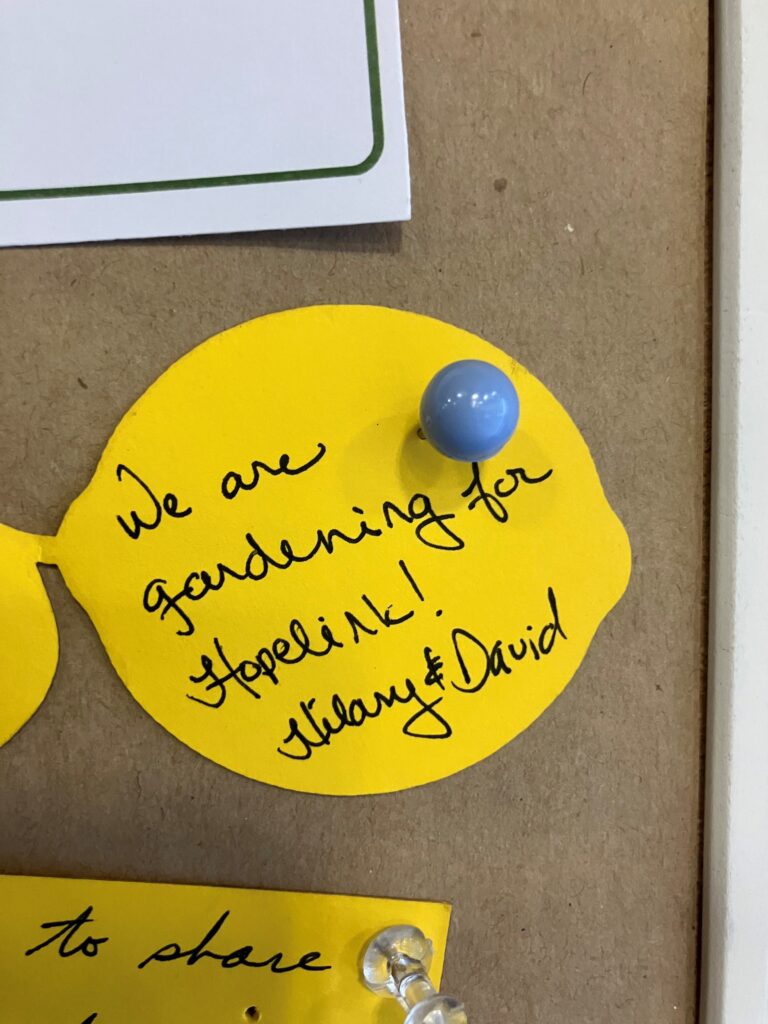
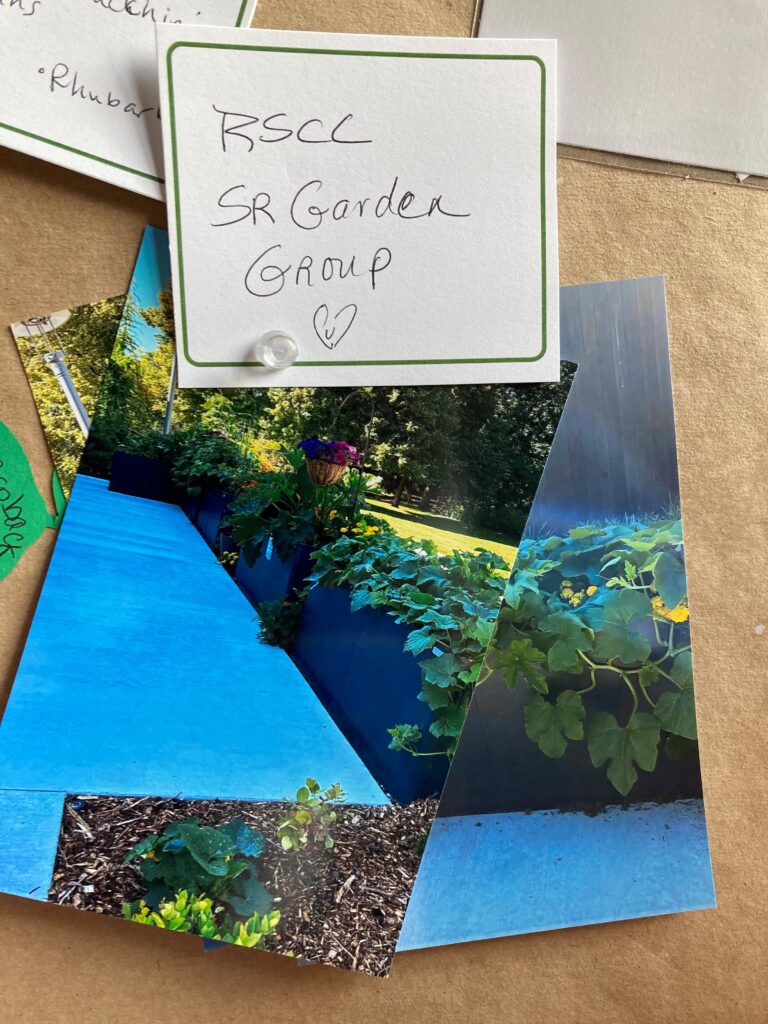
Gardeners share notes with Hopelink about what they are growing and why they share their harvest.
Across our service areas, hundreds of community gardens are tucked into neighborhoods, schools, senior centers, parks, and faith communities. Many of the green thumbs that tend to these vital community spaces share their harvest with Hopelink year after year.
As boxes of onions, sprigs of rosemary, and bags of cucumbers are dropped off each morning, volunteers get right to work, preparing the freshly-delivered donations for the produce section of our no-cost food markets. Thanks in large part to the donations from our community gardeners, Hopelink’s markets are able to offer up to 18 different produce items to our clients during the peak harvest season.
“Being able to tell shoppers that the food they’re choosing was grown for them by someone in their own neighborhood creates a moment of connection that you can feel,” shares Meghan Moore, Hopelink’s Food Program Manager. “It reinforces dignity, belonging, and the idea that everyone deserves access to beautiful, fresh food.”
To every gardener who has shared the fruits—and vegetables—of their labor with the more 21,000 individuals served at Hopelink’s food markets in fiscal year 2026: thank you. Your support helps Hopelink’s food program bloom. One seed, harvest, and act of generosity at a time.
There is still plenty of harvest season left! Are you interested in donating produce to Hopelink or learning about some of our most requested produce items to help you plan next year’s garden? Explore ways to help, or contact drives@hopelink.org.